
Azur Lane
Yostar Limited.Action
4.09.48K Reviews
- Version
- 9.3.7
- Installs
- 5.00M
- Age Rating
- Teen
Screenshots

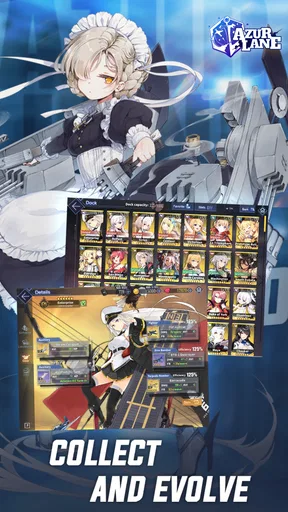
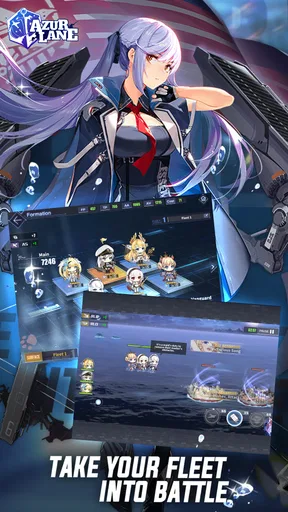
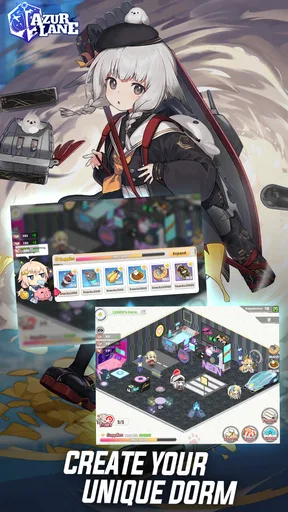

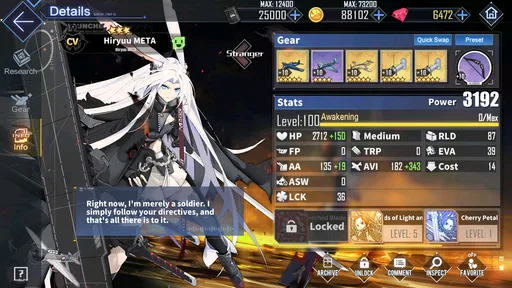
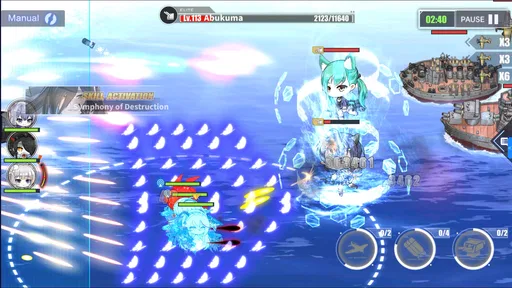
Our Review of Azur Lane
 Analysis by Appyee
I would think twice before handing a phone with Azur Lane installed to someone else as if it were a shared, pick-up-and-play game. It is a free naval action game from Yostar Limited, but its anime presentation, ongoing progression, and account-centered play make it feel more like one person’s continuing hobby than a family game everyone can dip into. That distinction matters at home: a curious relative can watch or try a battle, while taking over the owner’s progress is a different proposition.
One phone, different players
In a household, the easiest arrangement is to treat the game as belonging to one player and let others participate by watching, discussing fleet choices, or taking a turn only when the owner is comfortable with that. I would not assume that several people can maintain separate personal progress on a single installation. If a child or sibling wants to play independently, it is better to decide whose account and device they will use before anyone starts changing settings or advancing through the game.
A realistic use case is a short evening session after dinner: the regular player checks their fleet and tackles a battle while someone else watches and asks why a particular ship was selected. That can make the tactical decisions fun to talk through without turning a personal save into a shared project. For a group that wants everyone to contribute to one communal campaign, this is less naturally suited than a game built around local multiplayer or clearly separate player profiles.
Keep the account and spending boundaries clear
Because progress and purchases can matter to the person playing, I would keep the account owner involved whenever someone else uses the device. Agree in advance whether another person may start a battle, alter a fleet, or make any purchase. The game is free to download, with in-app purchases listed from $0.99 to $79.99 per item, so a quick conversation about purchase approval is sensible, especially on a device used by younger family members.
This is also a case where device-level purchase protections and a clear household rule are more useful than assuming the game itself will enforce a family arrangement. I would not let a child browse the shop unsupervised simply because the initial download costs nothing. If the device is shared, the adult who manages it should check the purchase settings already available on that device and make sure everyone knows that spending needs permission.
Play sessions and household coordination
The game’s fleet building and progression invite return visits, so it can become part of a routine rather than a single one-off session. That is enjoyable for someone who likes having a project to revisit, but it can also lead to “just one more” play when other people are waiting for the phone. A practical household boundary is to agree on a time or handoff before opening the game, rather than negotiating in the middle of a battle or while someone is managing their fleet.
Coordination is more about respecting the owner’s choices than organizing a family team. If another person wants to help, they can discuss which ships to bring or compare approaches, but the account holder should make the final changes. That keeps advice from becoming accidental interference and gives newer players a chance to learn without feeling that they have to optimize someone else’s collection.
Age context and expectations
Azur Lane is rated Teen, and its anime character designs are a prominent part of its identity. I would look at the game together with a younger player rather than treating the age label as a substitute for household judgment. A teenager who already enjoys anime-styled games may be comfortable with the presentation, while a parent may still want to decide whether the art and character focus suit their family’s expectations.
It is also worth distinguishing the game’s naval theme from a realistic military simulator. Its appeal is built around stylized characters, fleet decisions, and action, not a sober recreation of naval history. That makes it a better fit for players looking for a colorful anime game with combat than for someone seeking an educational or historically grounded experience.
Setting the Scene
Imagine a world where you command fleets of anthropomorphized warships, each with their own unique personality and abilities. That's the essence of Azur Lane. The game takes place in an alternate universe where players battle against formidable enemies using warships personified as beautifully designed anime characters, known as "shipgirls." Sounds intriguing, right?
The storyline is fairly engaging, pitting you in the midst of a conflict against the mysterious "Siren" threat. While the narrative might not win any awards for originality, the quirky and charming character interactions make up for it. It's like a mix between a naval strategy game and a visual novel, giving you the best of both worlds.
Gameplay Mechanics
The gameplay in Azur Lane is a delightful blend of strategy and action. You organize your fleet, taking into account each shipgirl's strengths and weaknesses. The game mechanics allow for real-time combat, where you control your fleet's movements and attacks, dodging enemy fire and unleashing powerful abilities.
What’s really cool is that the game doesn’t just rely on flashy combat. You need to strategize your fleet composition, considering the balance between frontline and backline units. Each battle is a test of both your reflexes and your tactical prowess.
Graphics and Sound
If there's one thing that really sets Azur Lane apart, it's the stunning art style. The character designs are top-notch, with each shipgirl boasting unique artwork that’s both detailed and vibrant. It’s clear that the developers put a lot of love into crafting the visual aesthetics of the game.
The sound design complements the visuals perfectly. The game features a catchy soundtrack that gets you pumped for battle, while the voice acting brings each character to life. It's these small touches that enhance the overall gaming experience.
Customization and Progression
One of the most addictive aspects of Azur Lane is the customization options available for your fleet. You can upgrade your shipgirls, enhance their equipment, and even change their outfits. The progression system is rewarding, giving you a real sense of achievement as your fleet grows stronger.
The game also features events and limited-time challenges, which are a great way to earn rare items and exclusive shipgirls. It keeps the gameplay fresh and encourages you to return regularly to see what's new.
Community and Social Features
Let’s not forget the community aspect of Azur Lane. The game has a vibrant community of players who are always eager to share tips and strategies. Whether you’re a newbie or a seasoned commander, there's always something to learn from fellow players.
The social features are pretty solid too. You can join guilds, participate in cooperative events, and even have friendly battles with other players. It adds a layer of camaraderie and competition that enhances the overall experience.
What kind of player will enjoy it?
I’d recommend it most to someone who likes collecting characters, adjusting a team, and returning to a game over time. The fleet choices give battles a planning layer, while the real-time action keeps encounters from feeling like a series of menus. If you mainly want a quick reflex challenge with little preparation, the time spent developing a roster may feel like a detour rather than part of the appeal.
It also suits players who enjoy a character-driven presentation as much as combat. The shipgirls and their interactions give the world much of its personality; someone who dislikes anime aesthetics may find that the central appeal never quite clicks, even if they enjoy action games. In that case, a more grounded naval combat game or a straightforward arcade action title would be a better match.
Small decisions that make progression easier
One useful habit is to pause before spreading upgrades across every character you collect. Since fleet composition and the balance between frontline and backline matter, I find it more sensible to build a dependable core first, then experiment with alternatives when resources and familiarity allow. That keeps the roster from becoming a pile of individually upgraded units that do not work well together.
Likewise, I would treat equipment changes as part of preparing for a battle rather than a chore to revisit randomly. When a fight is going poorly, check whether the fleet’s roles and equipment make sense before assuming that simply raising levels is the answer. The game’s appeal is partly in making those adjustments; the trade-off is that players who want every encounter to be solved by tapping through quickly may find fleet management fussy.
Limited-time challenges can make the game feel lively, but they can also create pressure to return on a schedule. I’d approach them as optional goals, not obligations. If a busy week means missing an event, the healthier way to enjoy the game is to focus on the content and progression that fit your routine rather than letting a timer dictate every session.
How it compares with other mobile action games
Compared with a conventional action game, where success is mostly about movement and timing, this one asks you to think about the fleet before the battle as well as during it. Compared with a turn-based strategy game, it gives you more direct involvement once combat begins. That middle ground is its strongest distinction: planning matters, but you still have to react to what is happening on screen.
It is not the best choice if you want a realistic war simulation, a purely competitive action game, or a casual title that asks for no ongoing attention. Players who enjoy roster collection and long-term upgrades will likely find more to chew on here. Those who prefer self-contained levels with minimal menus may be happier with a simpler arcade game.
Practical details before installing
The game is free, is listed for Android on devices running version 7.0 or later, and is rated Teen. Its current version is 9.2.1. It has an average rating of 4.1 from around 161,000 ratings, alongside about 9,400 written reviews and over 5 million installs. Those figures suggest a well-established audience, but they do not tell you whether its particular mix of anime characters, fleet management, and action suits your taste.
For a first session, I would give yourself enough time to understand how fleet selection and combat fit together instead of judging it from one encounter. Then decide whether the character collection and ongoing progression feel rewarding or like extra management. If you are installing it on a shared phone, settle the account, purchase, and handoff rules first; if it is your own device, the main question is simply whether you want a game that rewards repeated attention.
Final Thoughts
So, should you give Azur Lane a try? If you're a fan of strategy games, anime art styles, or just looking for a game that offers a bit of everything, then absolutely. The mix of real-time action, strategic planning, and vibrant visuals creates a unique gaming experience that’s hard to put down.
While it may not be for everyone—especially if you're not into games with anime aesthetics—those who do dive in often find themselves hooked. With constant updates and a passionate community, Azur Lane shows no signs of slowing down.
Ready to set sail? You can download Azur Lane on both Android and iOS and see for yourself why this game has captured the hearts of so many players around the globe.
A household verdict
For a household, I see it as a good fit for one interested player, with occasional conversation or spectating from everyone else. It can be a satisfying shared topic—comparing fleet ideas or talking about a battle—without being an ideal shared-account game. The Teen rating, distinctive anime style, continuing progression, and optional purchases are all reasons to set expectations clearly before handing over a device.
If your family wants a game everyone can join together without worrying about whose progress is being changed, I’d choose a title designed around separate profiles or local group play instead. If one person wants a substantial mobile action game and the rest of the household is happy to let that person own the account and playtime, this is a much more natural match.
Verdict
Strengths of Azur Lane
- Engaging real-time naval battles.
- Diverse and charming character design.
- Frequent updates with new content.
- Strategic gameplay with fleet customization.
- Generous rewards for free-to-play users.
Limitations of Azur Lane
- Repetitive grind for resources.
- In-game currency can be costly.
- Occasional server stability issues.
- Complex UI for new players.
- Limited offline play options.
Other Releases by Yostar Limited.
View All
Arknights
Strategy4.4

Mahjong Soul
Strategy4.6
Similar Picks in This Category
View All
Temple Run 2: Endless Escape
Imangi Studios4.1

PUBG MOBILE
Level Infinite4.3

Free Fire: 9th Anniversary
GARENA INTERNATIONAL I4.4

Talking Tom: Hero Dash Run
Outfit7 Limited4.3

slither.io
Lowtech Studios3.9

Sniper 3D:Gun Shooting Games
Wildlife Studios4.6
Frequently Asked Questions
What is Azur Lane, and how do I play it?
Azur Lane is a side-scrolling shooter game that combines elements of strategy and role-playing. Players collect and organize ships, which are personified as anime-style characters, to form fleets. The gameplay involves engaging in battles against enemy fleets, completing missions, and upgrading ships to enhance their abilities.
Is Azur Lane free to play, and are there in-app purchases?
Azur Lane is free to download and play on both Android and iOS platforms. However, it does offer in-app purchases. Players can buy in-game currency and items to enhance their experience, but these purchases are optional and not necessary to enjoy the core game.
What are the system requirements for Azur Lane on mobile devices?
To run Azur Lane smoothly, Android users should have a device with at least Android 4.4 and 2GB of RAM, while iOS users need iOS 9.0 or later. Ensuring your device meets these requirements will help avoid performance issues and provide a more enjoyable gaming experience.
How does the ship collection and upgrade system work in Azur Lane?
Players collect ships by constructing them using resources or by earning them as rewards. Each ship has unique abilities and can be upgraded through leveling up, enhancing stats, and equipping gear. Upgrades enhance a ship's performance in battle and are crucial for progressing through tougher stages.
Can I play Azur Lane with friends, and does it have multiplayer features?
Azur Lane primarily focuses on single-player content, but it does include some social features. Players can join guilds, participate in events, and compete in ranking challenges. While direct multiplayer battles are not available, the community and cooperative aspects of the game enrich the overall experience.
Play our best games!


